
How Often Do You Need a Pap Smear? Screening Guidelines by Age
Cervical cancer screening by age: when to start, how often you need a Pap smear or HPV test, when you can stop, and what the latest US guideline changes mean.

What an HPV test checks for, how it differs from a Pap smear, who should get one and how often, self-collection options and what positive results mean.
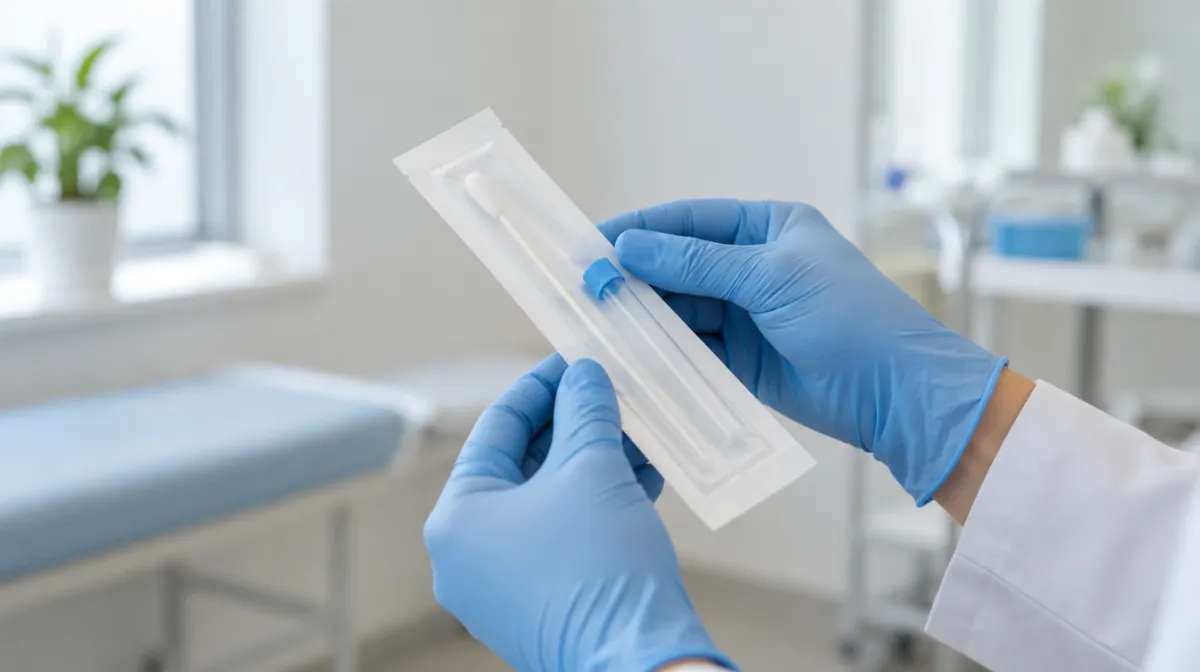
An HPV test is one of the most effective cancer screening tools we have. It doesn’t look for cancer. It looks for the virus that causes almost all cervical cancers, years before any cell changes could become dangerous.
Human papillomavirus (HPV) is extremely common: most sexually active people get it at some point. Most infections cause no symptoms and clear on their own within a year or two. A few high-risk types, especially HPV 16 and 18, can persist and slowly cause changes in cervical cells. Over many years, some of those changes can turn into cancer if they aren’t found and treated.
An HPV test checks a sample of cells from your cervix or vagina for high-risk HPV types. Some tests also report whether HPV 16 or 18 specifically is present, which helps decide next steps. It isn’t a test for genital warts, which are caused by low-risk types, and it doesn’t screen for other infections.
| HPV test | Pap test (cytology) | |
|---|---|---|
| Looks for | High-risk HPV virus | Abnormal cervical cells |
| Main use | Screening from 30 (25 in ACS guidance) | Screening from 21 to 29, or an alternative after 30 |
| Usual interval if normal | Every 5 years | Every 3 years |
| Sample | Cervical swab, or vaginal self-collection | Cervical swab |
Co-testing means doing both tests on the same sample, every five years. Our guide to Pap smear guidelines by age covers the full schedule.
Under the US Preventive Services Task Force’s 2018 recommendation, people with a cervix aged 30 to 65 can choose an HPV test every five years, co-testing every five years or a Pap test every three years. In late 2024, the USPSTF published a draft update that would make HPV testing every five years the preferred option from age 30 and include self-collected samples; as of September 2026, it has not been finalised. The American Cancer Society recommends starting primary HPV testing at 25.
HPV tests aren’t used for routine screening in younger people, because infections are so common in the teens and twenties and usually clear without treatment.
You may be able to collect your own sample with a vaginal swab, either at a clinic or, with FDA-approved kits, at home. The American Cancer Society’s December 2025 update accepts self-collected samples from 25 to 65, though it still prefers a sample taken by a clinician. Studies show self-collected samples are about as accurate as clinician-collected ones for detecting precancer. Current consensus guidance suggests repeating a negative self-collected test after three years rather than five. Ask your clinician whether it’s an option for you; people at higher risk may still need a clinician-collected sample.
For two days beforehand, it’s usually best to avoid douching, vaginal medicines or products and sex, unless your clinic says otherwise. Tell your clinician if you’ve found past exams uncomfortable; our guide to your first gynecologist visit has tips for feeling in control.
The CDC recommends HPV vaccination at ages 11 to 12 (it can start at 9), with catch-up vaccination through age 26. Some adults aged 27 to 45 may benefit after talking with their clinician. Vaccinated people still need regular screening.
No. HPV can stay undetectable for years before showing up on a test, so a positive result can’t tell you when or from whom the infection came.
There’s no approved routine HPV screening test for men. Vaccination is the main prevention for everyone.
Cervical cancer screening is a preventive service most plans must cover without cost-sharing. Our insurance guide explains the details.

Every article is edited by a human and checked against our editorial policy. Spotted a mistake? Tell us.
Cervical cancer screening by age: when to start, how often you need a Pap smear or HPV test, when you can stop, and what the latest US guideline changes mean.
What abnormal Pap smear results mean, from ASC-US and LSIL to HSIL, how HPV results change next steps, what colposcopy involves and when treatment is needed.
What happens at a first gynecologist visit, when to go, whether you need a pelvic exam, the questions you’ll be asked and how to prepare so you feel in control.