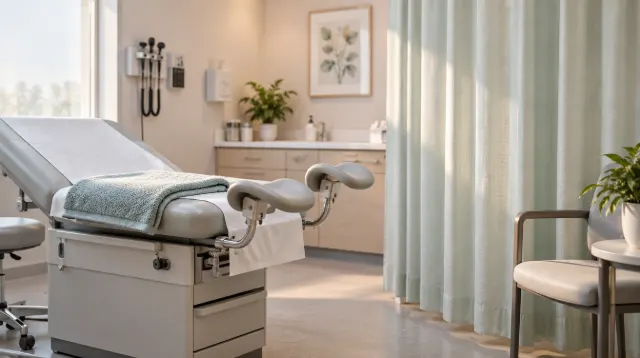
How Often Should You See a Gynecologist?
How often to see a gynecologist at every age: annual well-woman visits, Pap and HPV screening intervals, mammograms, STI tests and when to book sooner.

What happens at a first gynecologist visit, when to go, whether you need a pelvic exam, the questions you’ll be asked and how to prepare so you feel in control.

A first gynecologist appointment can feel like a big deal, whether you are a teenager, an adult who has never been, or someone returning after many years. Most first visits are simpler and more conversational than people expect. Here is what usually happens and how to prepare.
The American College of Obstetricians and Gynecologists (ACOG) recommends a first reproductive health visit between the ages of 13 and 15. At that age, the visit is mostly about getting to know a clinician, asking questions and learning about your body. You can go sooner if you have concerns such as very painful or heavy periods.
If you are an adult who has never seen a gynecologist, it’s never too late. Many people’s first visit is prompted by starting birth control, a symptom, planning a pregnancy or reaching screening age.
Most visits start with a conversation. Your clinician may ask about:
These questions are routine. Honest answers help your clinician give you the right care.
You may have your height, weight and blood pressure taken. Some visits include a breast exam or an external look at the genital area, especially if you have concerns.
Usually not at a first visit, unless you have symptoms such as unusual discharge, pain or irregular bleeding. A Pap test, which screens for cervical cancer, is not recommended before age 21. Our guide to Pap smear guidelines by age explains when screening starts.
If you do have a pelvic exam, your clinician should explain each step first. It usually takes a few minutes and involves:
Most first visits are just a conversation and a general check. If a pelvic exam is needed, it may feel uncomfortable but shouldn’t be painful. Tell your clinician if it hurts.
Yes. Gynecologists care for people whether or not they have had sex, and exams are adapted to your needs and comfort.
Usually yes, unless you’re having a specific test that requires otherwise. If in doubt, call the office.

Every article is edited by a human and checked against our editorial policy. Spotted a mistake? Tell us.
How often to see a gynecologist at every age: annual well-woman visits, Pap and HPV screening intervals, mammograms, STI tests and when to book sooner.
What happens during a pelvic exam, step by step: the external, speculum and bimanual parts, when an exam is needed, and how to make it more comfortable.
Useful questions to ask your gynecologist about screenings, birth control, periods, sexual health, pregnancy plans and menopause, plus tips for getting answers.