Your Visit

Questions to Ask Your Gynecologist

Useful questions to ask your gynecologist about screenings, birth control, periods, sexual health, pregnancy plans and menopause, plus tips for getting answers.

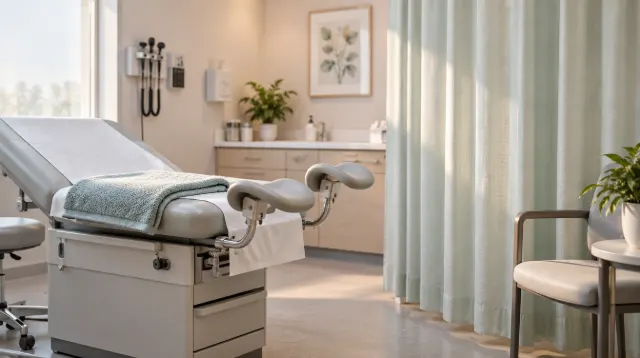
A notebook and pen resting on a padded chair in a calm clinic waiting room
Illustration: US Gynecologists / AI-generated.

Key takeaways

  • Write your questions down before the visit and start with the one that matters most.
  • No question is too embarrassing; clinicians hear about periods, discharge and sex every day.
  • If you don’t understand an answer, ask again, or ask for it in writing.
On this page

Appointments can feel rushed, and it’s easy to forget what you meant to ask. A short list, written down in advance, helps you get the care you need. Pick the questions that apply to you, and put your most important one first.

Before any visit

  • Am I up to date on screenings, including Pap or HPV tests, mammograms and STI tests?
  • Which vaccines do I need, such as HPV, flu or tetanus?
  • Is anything in my family history important for my care?
  • Do any of my medicines or supplements affect my reproductive health or birth control?
  • When should I come back, and for what?

Not sure how often you should go? See how often to see a gynecologist.

About screening and test results

  • Which screening test do you recommend for me, and how often?
  • Can I collect my own HPV sample?
  • When and how will I get my results?
  • What does this result mean, and what happens next?
  • If I need a colposcopy or biopsy, what will it involve?

Our guide to abnormal Pap smear results explains common follow-up steps.

About birth control

  • Which methods are safe for me, given my health and medicines?
  • How effective is each option with typical use?
  • What side effects are common, and when should I call you?
  • How quickly can I get pregnant after stopping?
  • Do I still need condoms to protect against STIs?

Compare options first in our birth control guide.

About periods and pain

  • Is my bleeding normal for my age?
  • Could my pain be endometriosis, fibroids or something else?
  • What treatments can help, and what are the pros and cons of each?
  • Should I track anything before my next appointment?

About sexual health

  • Should I be tested for STIs, and which ones?
  • Is pain during sex something we can treat?
  • Is this discharge, itching or odor a sign of infection?
  • How can my partner and I protect each other?

About pregnancy plans

  • Is there anything I should do before trying to conceive, such as taking folic acid?
  • Do any of my conditions or medicines affect pregnancy?
  • How long should we try before seeking fertility help?

About perimenopause and menopause

  • Are my symptoms caused by perimenopause?
  • Is hormone therapy an option for me, and what are my personal risks?
  • What non-hormonal treatments are available?
  • Do I still need contraception?

Read more in our guide to perimenopause signs.

After a diagnosis

  • What caused this, and is it likely to come back?
  • What are all my treatment options, including doing nothing for now?
  • How will this affect my fertility or future pregnancies?
  • Where can I find reliable information or support?

Frequently asked questions

What if my question feels embarrassing?

Ask anyway. Gynecologists discuss bodies, sex and symptoms all day, and details you find awkward can be important for a diagnosis.

What if I run out of time?

Ask which questions can be answered by a nurse or through the patient portal, or book a follow-up appointment for the rest.

Can I ask for a female clinician or a chaperone?

Yes. You can ask for a chaperone at any exam, and many practices will try to accommodate a preference for a particular clinician.

Sources

  1. ACOG — Women’s health FAQs
  2. Agency for Healthcare Research and Quality — Questions to ask your doctor

Every article is edited by a human and checked against our editorial policy. Spotted a mistake? Tell us.

Keep reading